For the last decade, the mantra for SaaS startups was simple: "Build it in the cloud." Platforms like AWS, Google Cloud (GCP), and Azure offered the ultimate promise of infinite scalability, agility, and pay-as-you-go convenience.
But as we navigate 2026, a massive shift is occurring. The "Cloud-First" era is making way for Cloud Repatriation.
CTOs and founders of scaling SaaS companies are realizing that while the public cloud is a fantastic incubator for MVPs, it becomes a financial black hole at scale. Let's break down the hidden costs of the public cloud—specifically the nightmare of egress fees and the "hypervisor tax"—and explore why moving to a flat-rate, unmetered dedicated server from iDatam can slash your infrastructure bills by 40% to 60%.
1. The Egress Fee Nightmare: Paying to Access Your Own Data
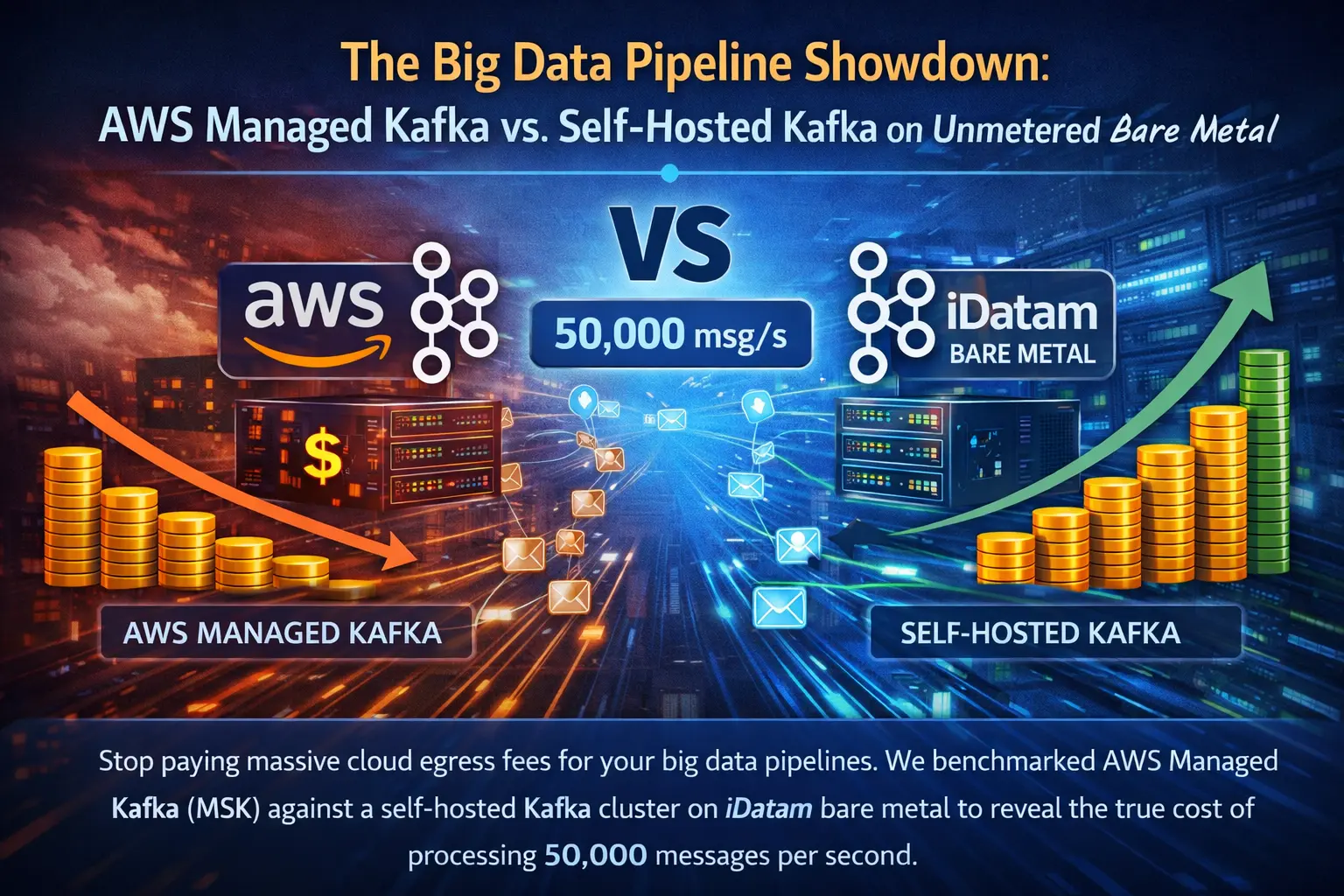
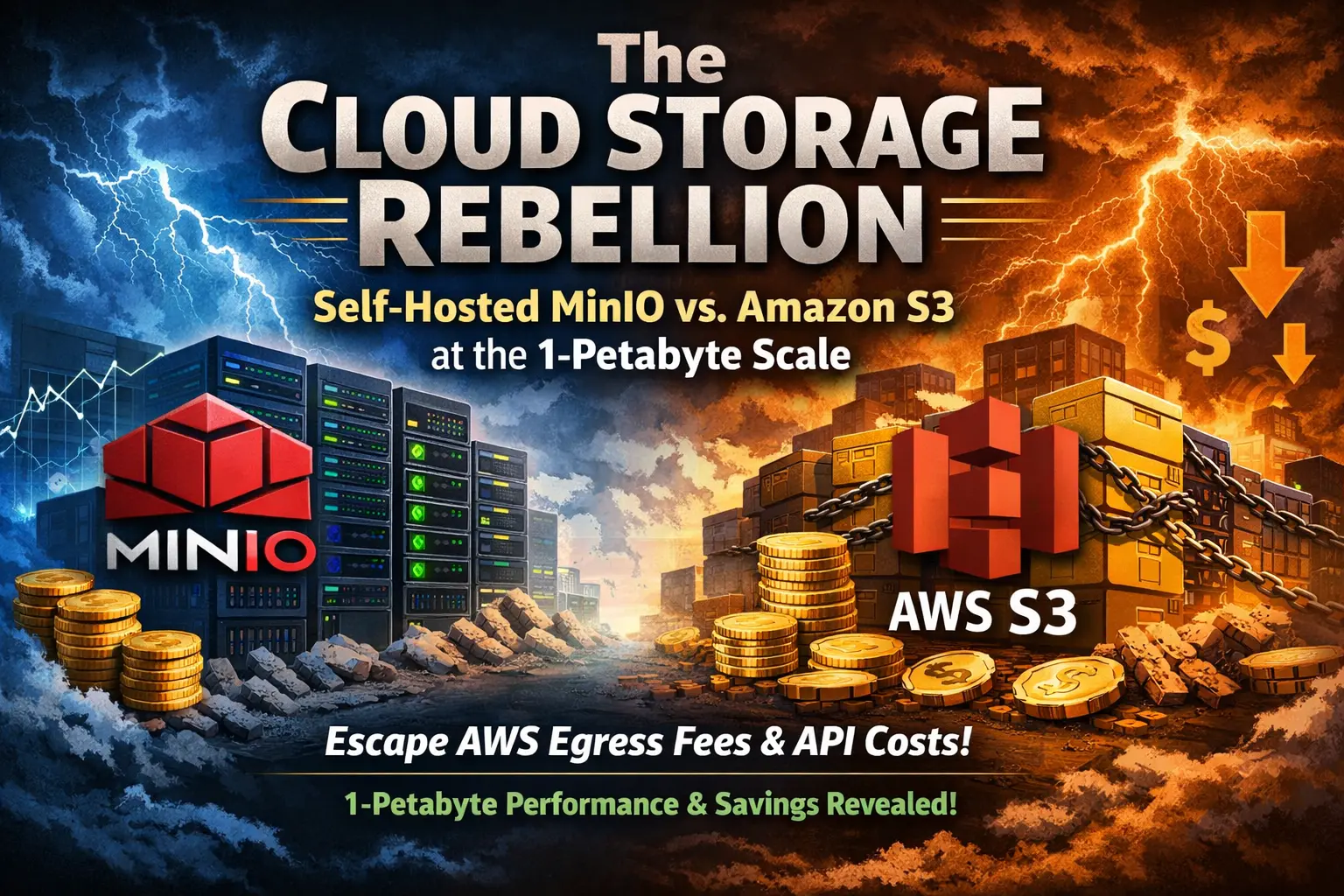
The public cloud business model is often compared to a roach motel: data checks in for free, but paying to get it out is extortionate. This is known as Egress (Data Transfer Out) Fees.
When your SaaS application starts gaining real traction, your data transfer scales exponentially. Every time a user downloads a report, streams a media asset, or triggers a large API payload, AWS and GCP charge you by the gigabyte.
In 2026, data-heavy applications (especially those dealing with AI datasets, video rendering, or massive user databases) are seeing their egress fees dwarf their actual compute costs. You aren't paying for performance; you are paying a toll just to move your own data across the internet.
2. The "Hypervisor Tax": Paying for Compute You Can't Use
When you rent a high-end cloud instance (like an AWS EC2 or GCP Compute Engine), you are not getting raw hardware. You are getting a slice of a machine, managed by a software layer known as the hypervisor.
This hypervisor consumes physical CPU cycles and RAM just to operate the virtualized environment. This is the Hypervisor Tax. In heavy I/O and high-compute workloads, this virtualization layer can throttle your performance by 10% to 15%.
Why should your startup pay $1,000 a month for 32 vCPUs when you are only actually yielding the processing power of 26? In the highly competitive 2026 SaaS market, wasting compute on virtualization overhead is an unacceptable inefficiency.
3. The "Noisy Neighbor" Problem
Public cloud instances exist in a multi-tenant environment. You share the underlying physical motherboard, network bus, and storage arrays with dozens of other companies.
If another tenant on your physical rack suddenly runs a massive database query, it can saturate the local I/O, causing sudden latency spikes for your application. For SaaS platforms where sub-millisecond response times are critical—such as fintech dashboards, real-time analytics, or gaming—this unpredictable performance can lead to customer churn.
The Bare Metal Renaissance: Why iDatam is the 2026 Solution
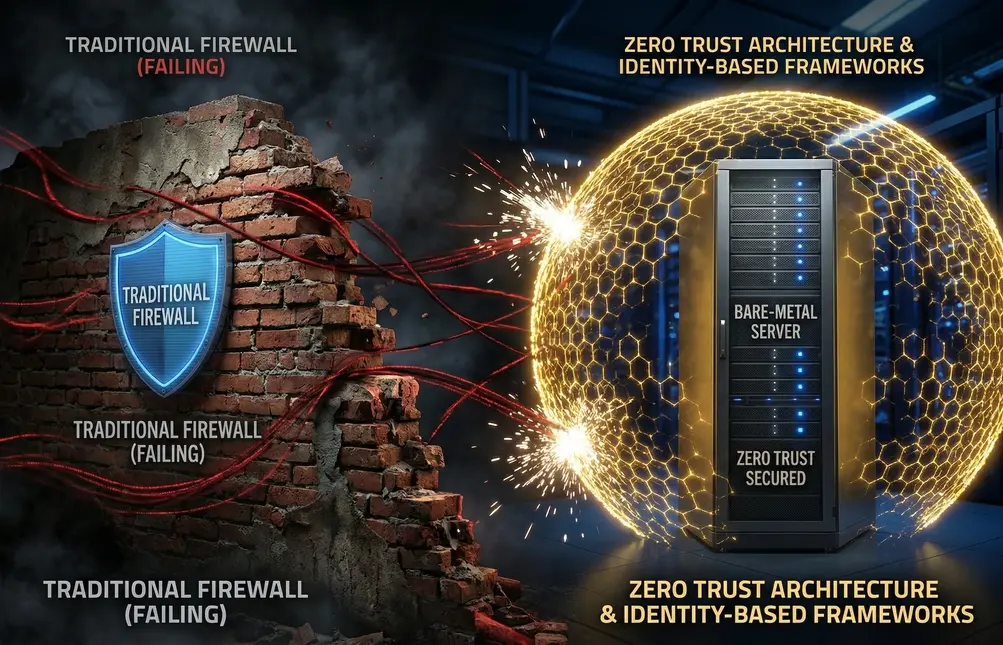
To escape the unpredictable billing and performance bottlenecks of the public cloud, top-tier SaaS companies are migrating their core workloads to Bare Metal Dedicated Servers.
With iDatam's enterprise-grade infrastructure, you replace variable cloud chaos with raw power and total financial predictability. Here is how iDatam flips the script:
Zero Egress Fees (Unmetered Bandwidth)
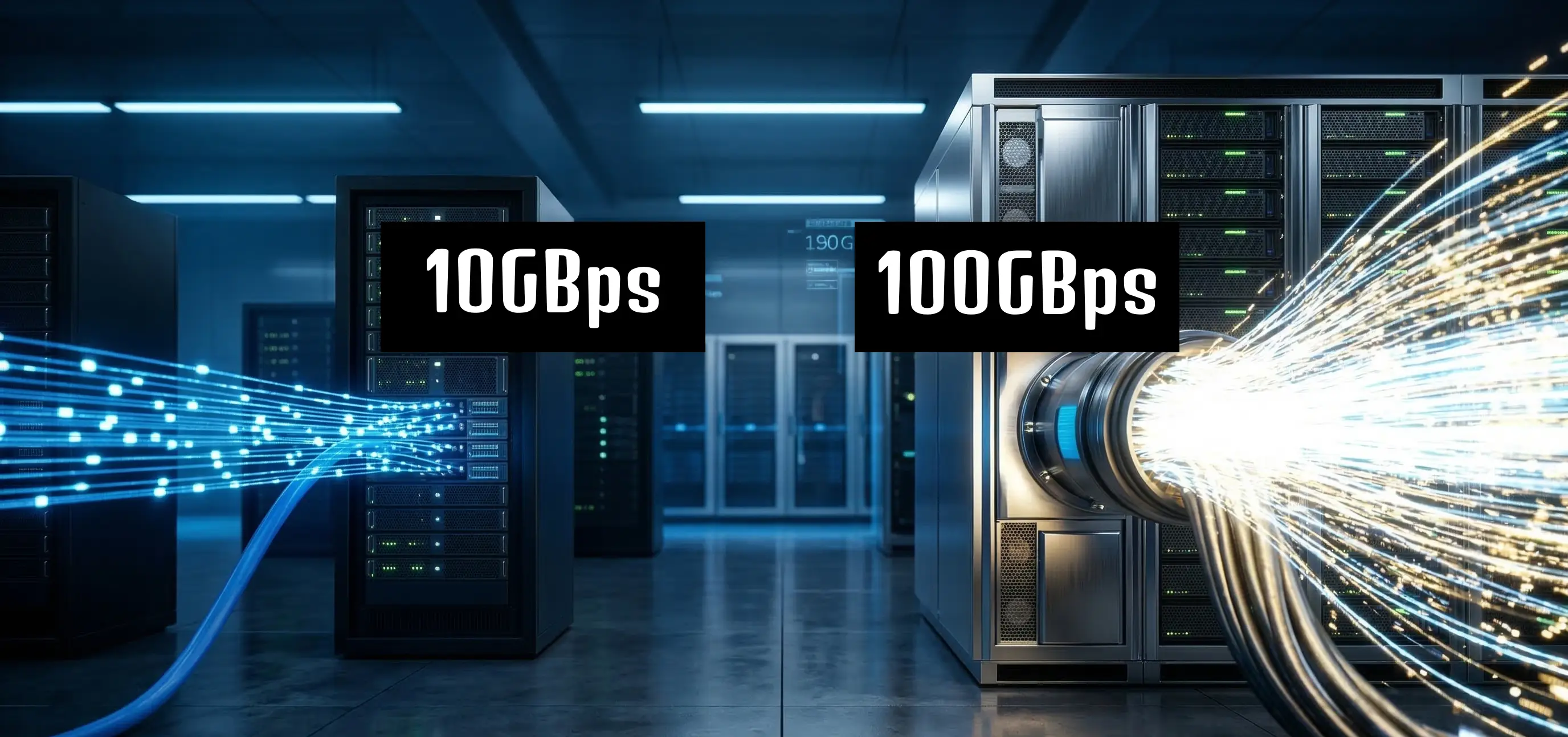
iDatam operates on a flat-rate billing model. When you deploy an Unmetered Dedicated Server, you can transfer terabytes—or petabytes—of data every single month without your bill increasing by a single cent. Whether you choose a 10Gbps or 100Gbps Uplink, you pay for the pipe, not the water flowing through it.
100% Raw Hardware (No Hypervisor Tax)
With bare metal, there is no virtualization layer unless you choose to install one. When you rent a 64-core AMD EPYC server from iDatam, your application has direct, unmediated access to all 64 cores. This results in faster application compilation, lower database query times, and significantly higher throughput for AI and machine learning tasks.
Single-Tenant Isolation
Your server is yours alone. No shared resources, no noisy neighbors, and no unexpected latency spikes. You get dedicated PCIe Gen 5 NVMe storage arrays that deliver consistent 14,000 MB/s read/write speeds, guaranteeing your application performs flawlessly during peak traffic surges.
Real-World ROI: Cutting Your Bill by 40-60%
Let's look at the math for a mid-sized SaaS company pushing 150TB of outbound traffic a month with heavy compute needs:
-
Public Cloud Scenario: You pay a premium for the high-memory virtual instances, but the real shock comes at the end of the month when you are billed thousands of dollars just for the 150TB of egress traffic.
-
iDatam Bare Metal Scenario: You consolidate those virtual instances into a few high-density, raw bare-metal servers. Because iDatam includes unmetered bandwidth, the egress cost drops to $0.
By eliminating the hypervisor tax (requiring fewer overall servers) and eradicating data transfer fees, companies migrating to iDatam typically see a 40% to 60% reduction in their monthly infrastructure spend.
Take Back Control of Your Infrastructure
The public cloud was built to get you started, but iDatam Bare Metal is built to help you scale profitably. Stop letting AWS and GCP eat your profit margins with hidden fees. It's time to move your production workloads to single-tenant, globally distributed hardware where you dictate the performance and the price.
Ready to stop paying the cloud tax? Explore iDatam's Global Dedicated Servers Today and see exactly how much your startup can save this month.
iDatam Recommended Resources

Hardware
Why Are Intel, AMD, and Ampere Dominating the CPU Market?
When we choose a CPU, we had a lot to consider. However, the landscape of CPUs is mainly dominated by a few key companies depending on the market segment. No matter what kind of CPUs you're looking for, here's a breakdown of how things evolved and where they stand today.


Hardware
What is ARM?
ARM (Advanced RISC Machines) is a widely used family of RISC architectures developed by Arm Ltd., known for its energy efficiency and scalability. Since its founding in 1990, over 180 billion ARM-based chips have been shipped, making it the leading processor family globally.

Hardware
A Complete Guide to RAID Configurations: Balancing Performance and Data Protection
This guide digs into the world of RAID configurations, examining their advantages, disadvantages, and ideal use cases, as businesses and individuals increasingly seek ways to optimize their storage solutions in a data-driven world.
Discover iDatam Dedicated Server Locations
iDatam servers are available around the world, providing diverse options for hosting websites. Each region offers unique advantages, making it easier to choose a location that best suits your specific hosting needs.