As we navigate 2026, the artificial intelligence landscape has matured from experimental prototyping into sustained, heavy-duty enterprise workloads. With this shift, the infrastructure powering these workloads has reached a critical breaking point. The massive costs, unpredictable performance, and data privacy concerns associated with shared public cloud environments are driving a massive "cloud repatriation" trend.
Enter the NVIDIA Blackwell architecture.
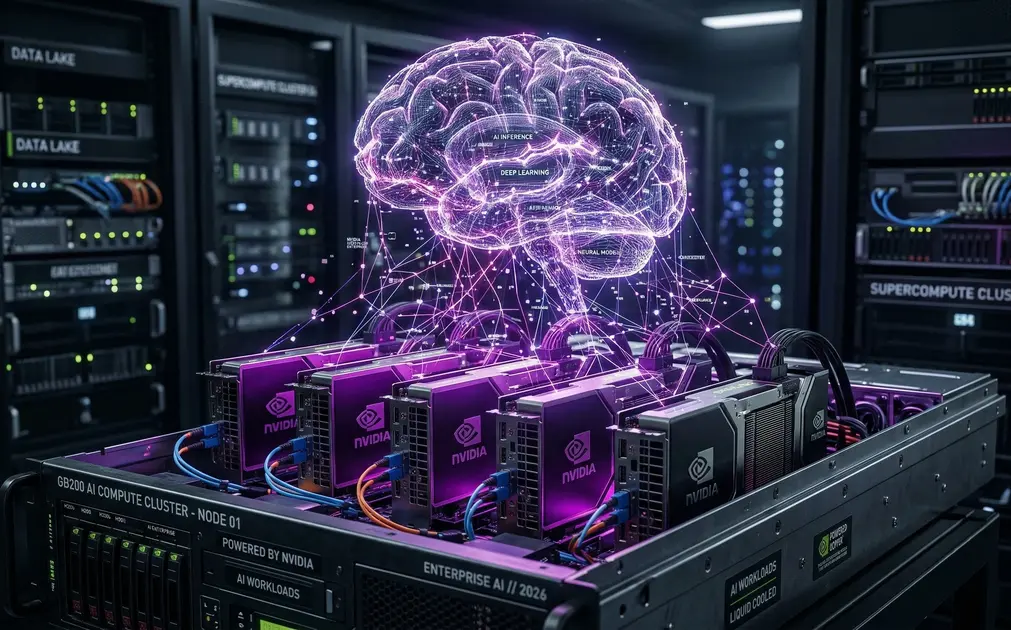
Paired with the raw, unthrottled power of a dedicated bare-metal server, Blackwell GPUs—specifically the enterprise-grade B200 and the powerhouse RTX 5090—are completely redefining the economics and performance of AI. Here is why renting NVIDIA Blackwell dedicated servers in 2026 has become the undisputed gold standard for AI infrastructure.
Looking to bypass the cloud virtualization tax? Explore our Bare Metal GPU Servers equipped with the latest NVIDIA architectures to maximize your AI ROI.
The Blackwell Leap: Beyond the H100
For the past few years, the NVIDIA H100 (Hopper architecture) was the heavyweight champion of the data center. But AI models have grown exponentially, demanding more memory, higher bandwidth, and better power efficiency. Blackwell was engineered specifically to solve these 2026 bottlenecks.
The Enterprise Heavyweight: NVIDIA B200
The B200 is built for massive scale. By combining two reticle-limited dies connected by a 10 TB/s interconnect, it acts as a single, unified superchip.
- Massive Memory: Featuring 192GB of HBM3e memory and a staggering 8.0 TB/s of bandwidth, the B200 eliminates the memory bottlenecks that plagued previous generations.
- Next-Gen Compute: With 5th-generation Tensor Cores and a second-generation Transformer Engine supporting FP4 precision, it delivers up to 20 petaFLOPS of AI compute.
- Efficiency: For AI inference workloads, the B200 is dramatically faster and significantly more power-efficient than the H100, meaning you get far more tokens-per-second per watt.
The Cost-Effective Powerhouse: NVIDIA RTX 5090
While technically a consumer card, the RTX 5090 has become a staple in dedicated server racks for highly specific, cost-sensitive workloads.
- Specs: Armed with 32GB of GDDR7 memory, 21,760 CUDA cores, and a 512-bit memory bus, it offers incredible raw compute density.
- Use Case: For development environments, code generation, and running mid-sized LLMs where the massive memory pool of a B200 isn't strictly necessary, an RTX 5090 dedicated server provides an unbeatable price-to-performance ratio.
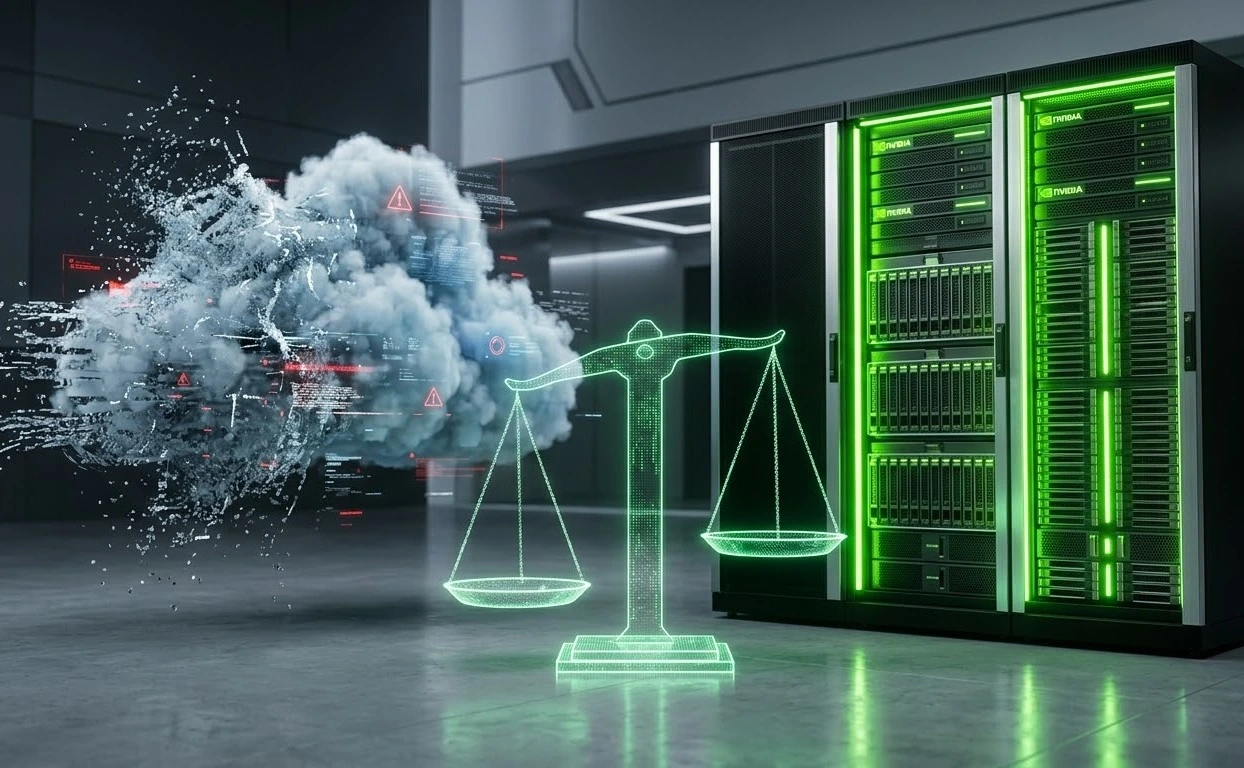
The Cloud Convenience Trap in 2026
The appeal of the public cloud was always infinite scalability and zero hardware management. However, for continuous AI workloads like training foundation models or running high-traffic inference APIs, the cloud has become a financial trap.
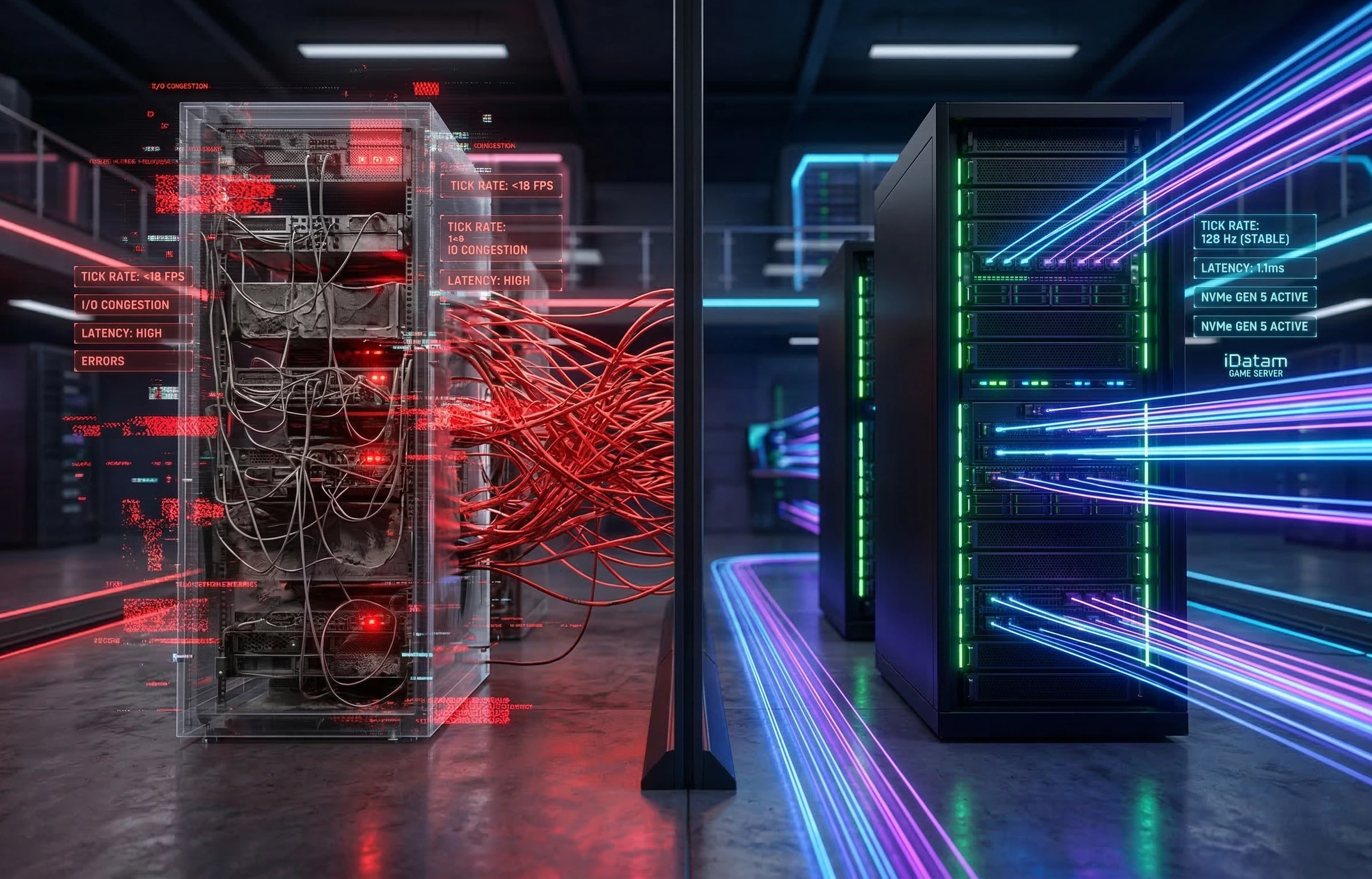
- The Virtualization Tax: Cloud GPU instances run on hypervisors. This virtualization layer eats into your performance, meaning you never actually get 100% of the GPU's theoretical power.
- Noisy Neighbors: In shared environments, you are at the mercy of network congestion and I/O bottlenecks caused by other tenants on the same physical hardware.
- Data Gravity & Egress Fees: Moving petabytes of training data into the cloud is cheap; getting it out or moving it between services triggers exorbitant egress fees.
The Superior ROI of Blackwell Dedicated Servers
This is where the math heavily favors bare metal. Renting a dedicated server equipped with NVIDIA Blackwell GPUs shifts your infrastructure from a volatile, metered cloud expense to a predictable, flat monthly rate.
- Break-Even Velocity: In 2026, the Return on Investment (ROI) horizon for continuous AI workloads on dedicated hardware is remarkably short. When comparing a flat-rate dedicated B200 server to on-demand cloud pricing, the break-even point is often reached in just 6 to 9 months.
- Unthrottled Performance: Bare metal means exactly that. You have exclusive, direct-to-die access to the CPU, RAM, NVMe storage, and Blackwell GPUs. There is no virtualization overhead, resulting in faster training times and lower latency for real-time inference.
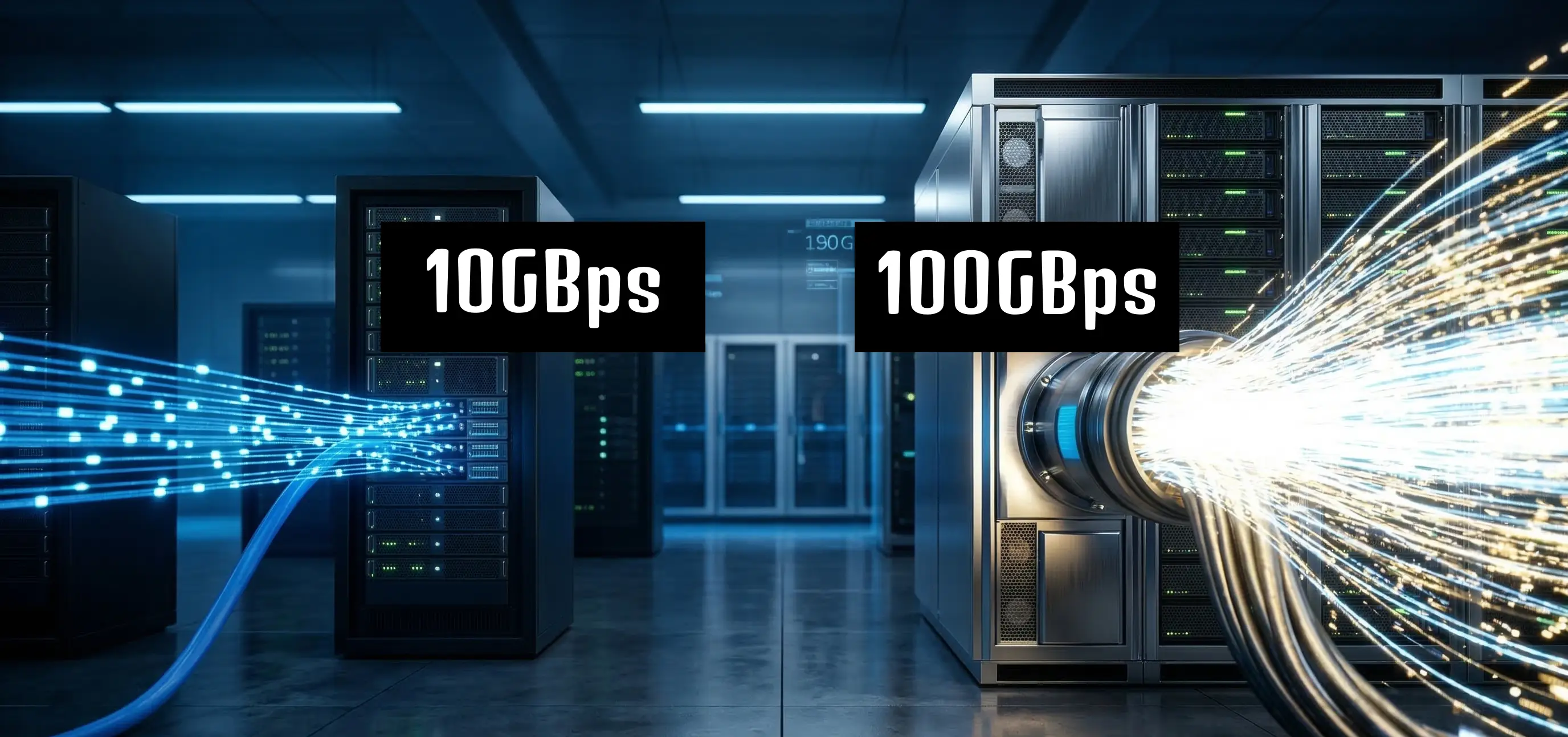
- Unmetered Bandwidth: Most dedicated server providers offer generous or completely unmetered bandwidth, allowing you to move massive datasets without fear of a shocking end-of-month bill.
Total Control and Uncompromising Data Privacy
As AI becomes deeply integrated into core business operations, the data used to train and fine-tune these models is highly sensitive proprietary IP.
Operating in a multi-tenant cloud inherently introduces sovereignty ambiguity. Even with region-locking, hyperscalers maintain metadata and control the underlying physical layer.
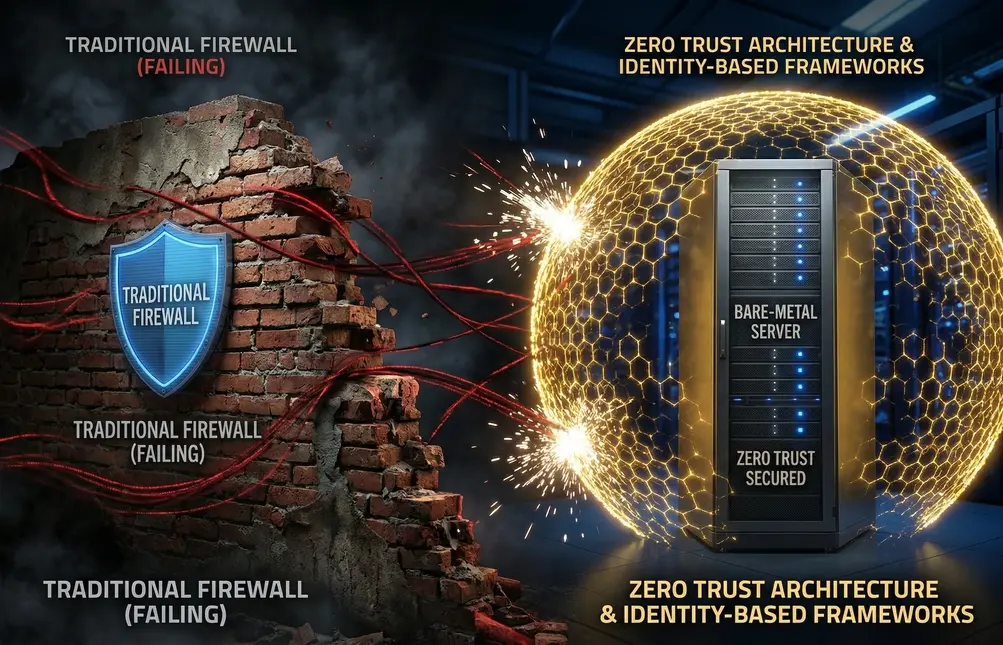
A dedicated server fundamentally solves this through physical isolation. You know exactly which data center, which rack, and which physical drive your data resides on. It aligns perfectly with modern Zero Trust security architectures, ensuring that your proprietary models and customer data never share infrastructure with third parties. Furthermore, the Blackwell architecture introduces NVIDIA Confidential Computing, the industry's first TEE-I/O capable GPU, allowing you to secure models and data even while they are actively being processed, with nearly zero performance degradation.
The Bottom Line
You cannot build the future of AI on throttled, rented, and shared infrastructure. The combination of NVIDIA's groundbreaking Blackwell architecture and the uncompromised power of a bare-metal dedicated server provides the performance, predictable pricing, and security that 2026's AI workloads demand.
If you’re ready to transition to predictable, high-performance infrastructure, contact iDatam to secure your custom-built AI dedicated server today.
iDatam Recommended Resources

Hardware
Why Are Intel, AMD, and Ampere Dominating the CPU Market?
When we choose a CPU, we had a lot to consider. However, the landscape of CPUs is mainly dominated by a few key companies depending on the market segment. No matter what kind of CPUs you're looking for, here's a breakdown of how things evolved and where they stand today.


Hardware
What is ARM?
ARM (Advanced RISC Machines) is a widely used family of RISC architectures developed by Arm Ltd., known for its energy efficiency and scalability. Since its founding in 1990, over 180 billion ARM-based chips have been shipped, making it the leading processor family globally.

Hardware
A Complete Guide to RAID Configurations: Balancing Performance and Data Protection
This guide digs into the world of RAID configurations, examining their advantages, disadvantages, and ideal use cases, as businesses and individuals increasingly seek ways to optimize their storage solutions in a data-driven world.
Discover iDatam Dedicated Server Locations
iDatam servers are available around the world, providing diverse options for hosting websites. Each region offers unique advantages, making it easier to choose a location that best suits your specific hosting needs.