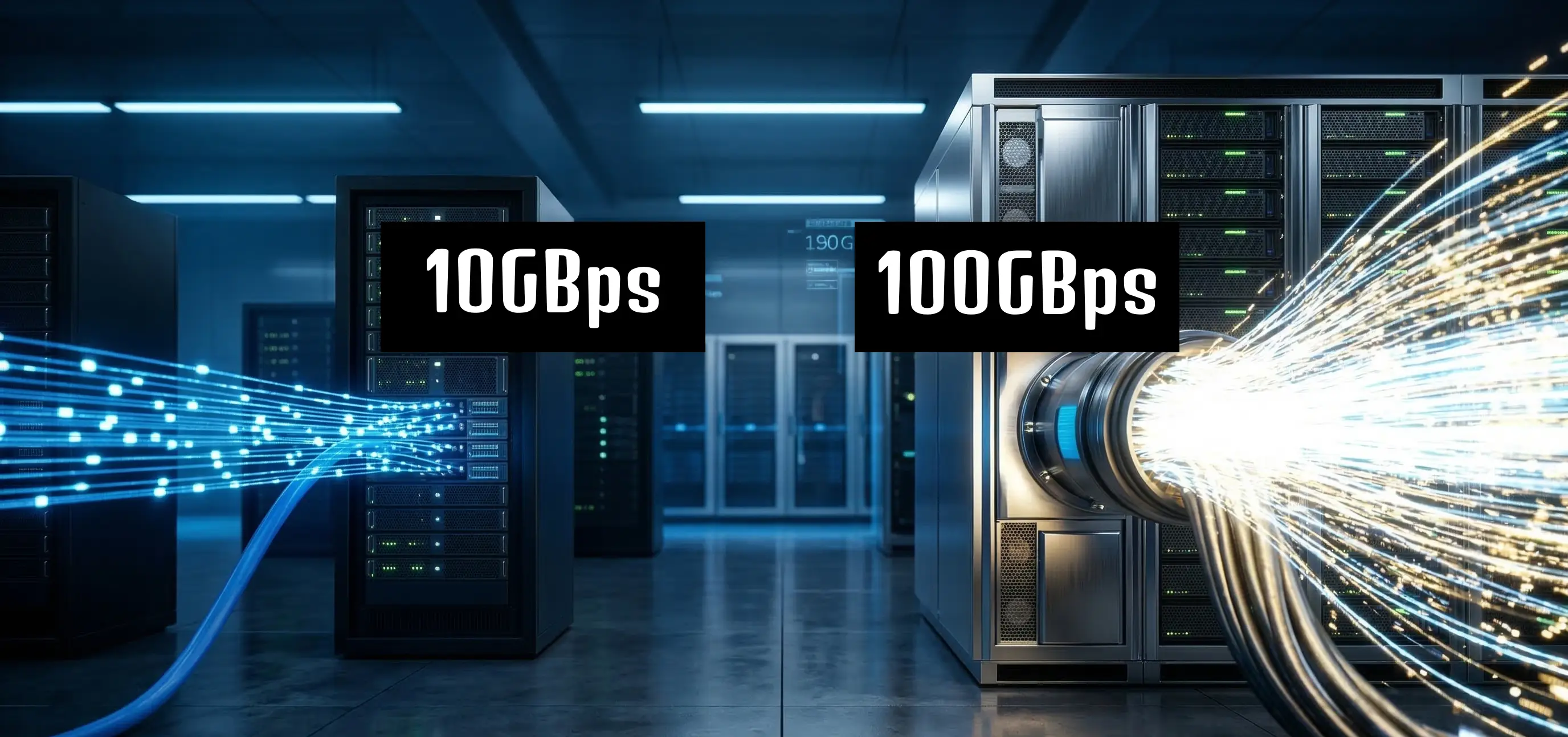
As enterprise applications grow more complex and user expectations for zero-latency interactions reach an all-time high in 2026, the underlying database has become the ultimate bottleneck. Whether you are running complex financial analytics, a massive eCommerce catalog, or a high-traffic SaaS application, your relational database (like MySQL or PostgreSQL) requires serious, uncompromised hardware to keep up.
For years, the default advice was to simply scale up a cloud instance. However, as workloads hit the terabyte scale and query volumes explode, the limits of virtualized storage and shared processing power become painfully obvious. To scale your data effectively today, you need the raw, unthrottled power of a high-performance dedicated server.
Here is a buyer's guide to understanding the critical hardware components required to future-proof your database architecture.
The 2026 Database Bottleneck: Why Cloud Instances Struggle
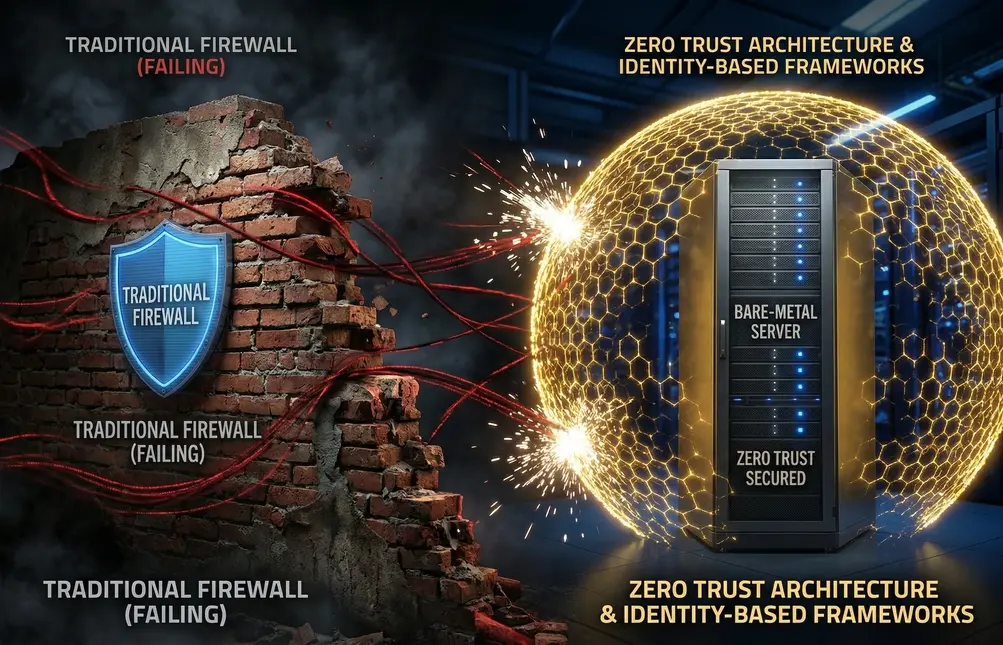
While cloud instances offer flexibility, they introduce layers of virtualization that are inherently hostile to heavy database workloads.
The "Noisy Neighbor" Problem: In shared cloud environments, your database's I/O performance can be unexpectedly throttled when another tenant on the same physical hardware spikes in activity.
Network-Attached Storage Latency: Most cloud databases rely on network-attached block storage. No matter how fast the network is, routing database reads and writes over a network introduces latency that simply does not exist on a local disk.
IOPS Limits and Metered Billing: Cloud providers heavily cap your Input/Output Operations Per Second (IOPS) or charge exorbitant premium fees to unlock higher tiers.
A dedicated, bare-metal server eliminates these variables. You get 100% of the hardware, 100% of the time.
The Holy Trinity of Database Server Hardware
When speccing out a dedicated server for heavy MySQL or PostgreSQL workloads, three hardware pillars dictate your performance ceiling.
1. Enterprise NVMe Storage: The Ultimate Difference-Maker
The days of relying on SATA SSDs for enterprise databases are over. NVMe (Non-Volatile Memory Express) storage connects directly to the server's CPU via PCIe lanes, completely bypassing the legacy bottlenecks of the SATA interface.
Massive Parallelism: While SATA SSDs process a single queue of 32 commands, enterprise NVMe drives can handle 65,535 queues with 65,535 commands each. This allows databases to execute thousands of simultaneous read/write operations (like complex table joins or batch updates) with microsecond latency.
High-Availability RAID: Always ensure your dedicated server is configured with at least two NVMe drives in a Software or Hardware RAID 1 (mirroring) setup or RAID 10 for both extreme speed and data redundancy.
2. High-Core, High-Frequency CPUs
Databases require processors that can handle massive concurrency. In 2026, architectures like AMD EPYC (Zen 4/Zen 5) and Intel Xeon Scalable processors dominate the data center.
Core Count vs. Clock Speed: If your application runs thousands of small, simultaneous queries, prioritize a high core count (e.g., 24 to 64 cores). If you run highly complex, sequential queries, single-core clock speed (GHz) becomes more critical.
3. Massive ECC Memory (RAM)
The fastest database query is the one that never touches the disk. Providing your server with massive amounts of RAM allows MySQL and PostgreSQL to cache frequently accessed data (buffer pools) entirely in memory.
ECC is Non-Negotiable: Always opt for Error-Correcting Code (ECC) DDR5 RAM. ECC memory detects and corrects internal data corruption on the fly, preventing fatal database crashes and silent data corruption. Aim for a minimum of 64GB to 128GB for mid-sized databases, scaling up to 512GB+ for enterprise workloads.
MySQL vs. PostgreSQL: Hardware Nuances
While both engines thrive on dedicated hardware, they utilize resources slightly differently. Understanding these nuances can help you finalize your server specs.
| Database Engine | CPU Utilization | Storage & I/O Sensitivity | Hardware Recommendation |
|---|---|---|---|
| MySQL (InnoDB) | Highly efficient with thread caching; performs exceptionally well on high-clock-speed CPUs. | Relies heavily on its InnoDB Buffer Pool. Maximizing RAM often yields the highest performance gains. | High-frequency CPU, massive RAM footprint, standard NVMe RAID 1. |
| PostgreSQL | Uses a process-per-connection model. Thrives on high-core-count CPUs to manage massive concurrency. | Extremely sensitive to storage I/O due to its MVCC (Multi-Version Concurrency Control) and aggressive background "vacuuming" processes. | High-core-count CPU (e.g., AMD EPYC), enterprise-grade NVMe drives with high write endurance. |
The Bottom Line
Scaling a resource-heavy database requires abandoning the compromises of shared infrastructure. By migrating to a dedicated server equipped with direct-attached NVMe storage, a multi-core enterprise CPU, and ample ECC RAM, you guarantee predictable performance, lower latency, and long-term cost efficiency for your most critical data.
iDatam Recommended Resources

Hardware
Why Are Intel, AMD, and Ampere Dominating the CPU Market?
When we choose a CPU, we had a lot to consider. However, the landscape of CPUs is mainly dominated by a few key companies depending on the market segment. No matter what kind of CPUs you're looking for, here's a breakdown of how things evolved and where they stand today.


Hardware
What is ARM?
ARM (Advanced RISC Machines) is a widely used family of RISC architectures developed by Arm Ltd., known for its energy efficiency and scalability. Since its founding in 1990, over 180 billion ARM-based chips have been shipped, making it the leading processor family globally.

Hardware
A Complete Guide to RAID Configurations: Balancing Performance and Data Protection
This guide digs into the world of RAID configurations, examining their advantages, disadvantages, and ideal use cases, as businesses and individuals increasingly seek ways to optimize their storage solutions in a data-driven world.
Discover iDatam Dedicated Server Locations
iDatam servers are available around the world, providing diverse options for hosting websites. Each region offers unique advantages, making it easier to choose a location that best suits your specific hosting needs.